
Starting 25 January 2026, Canada is rolling out a tougher grant appeal system that changes how rejected benefit applications are reviewed. For years, many applicants relied on informal appeals to overturn decisions quickly, but that approach is coming to an end. The new process focuses on deeper checks, clearer documentation, and stricter timelines. Canadian grant recipients, including low-income households and benefit claimants, are being urged to understand these changes early. Knowing what officials now expect can make the difference between a successful appeal and a final rejection.

Stricter grant appeal rules reshape reviews
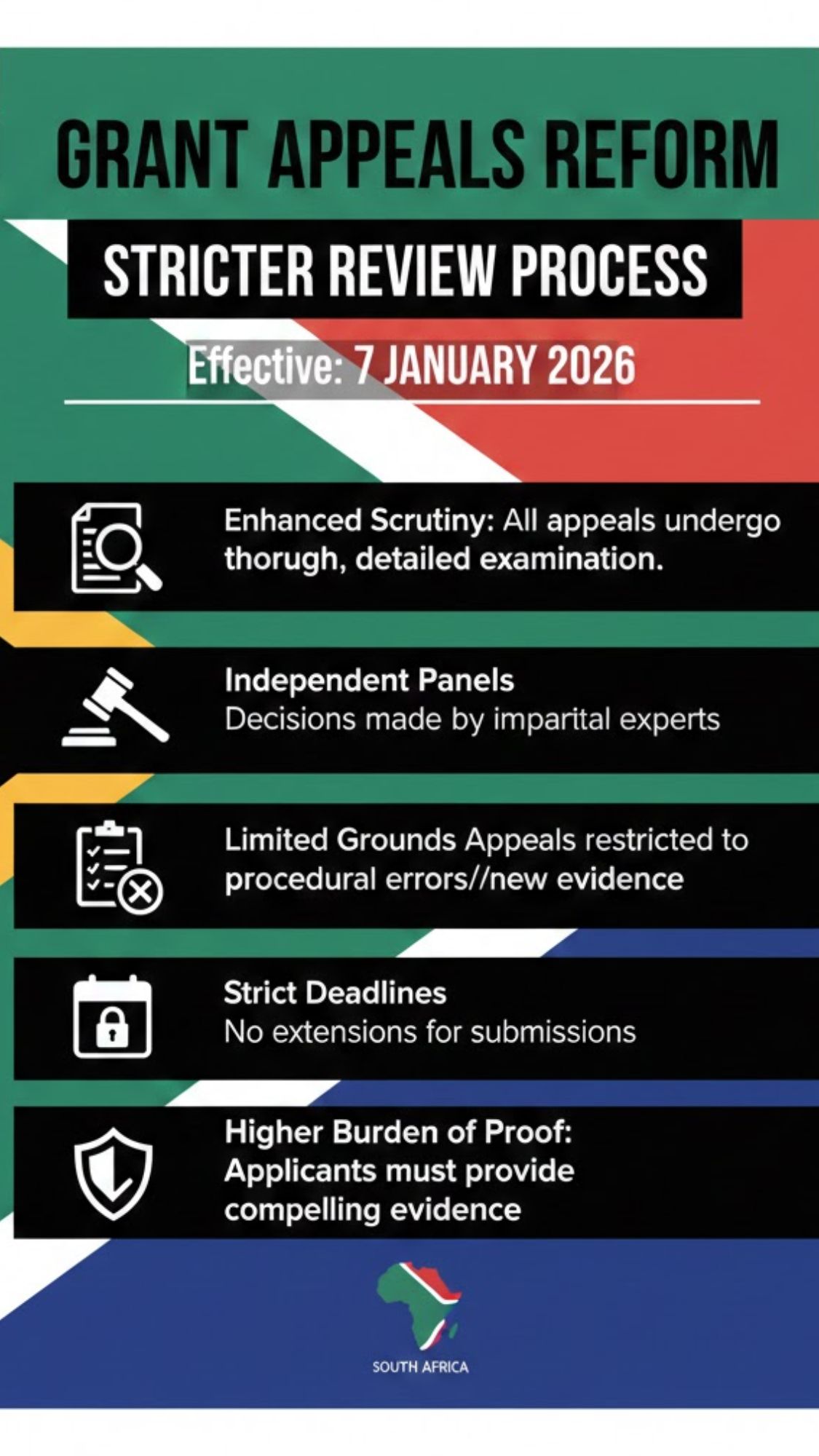
Under the updated system, grant appeals in Canada will no longer be treated as quick reconsiderations. Review officers will now apply evidence-first reviews, meaning every claim must be backed by solid paperwork. Applicants should prepare for longer assessment timelines, as files may pass through multiple checks. Authorities say the goal is consistent decision standards across provinces, reducing uneven outcomes. While this may feel demanding, officials believe the change will improve fairness and reduce repeated or unsupported appeals that previously slowed the system.

Canada tightens grant appeal verification steps
Another major shift involves how information is verified during appeals. Agencies will rely more on cross-agency data checks to confirm income, residency, and eligibility. Any mismatch can trigger manual case scrutiny, delaying outcomes further. Applicants are encouraged to submit clear records early to avoid avoidable review delays. Although the process seems stricter, officials argue it protects genuine applicants by ensuring decisions are based on accurate and complete information rather than assumptions.

New grant appeal process impacts applicants
For applicants, the biggest change is the level of preparation now required. Appeals that once succeeded with brief explanations must now meet higher proof thresholds. Missing documents can lead to automatic appeal rejection, leaving little room for correction. On the positive side, clearer rules offer predictable appeal outcomes, helping applicants understand where they stand. Knowing these expectations early allows Canadians to decide whether an appeal is worthwhile before investing time and effort.
What the stricter appeal system really means
Overall, the new framework signals a shift toward accountability rather than convenience. While some fear reduced access, the government emphasizes fairness over speed in decision-making. Applicants who prepare well may still benefit from transparent review pathways, even if results take longer. In the long term, officials expect reduced system misuse, freeing resources for legitimate cases and strengthening trust in Canada’s grant programs.
| Aspect | Old Appeal System | New Appeal System |
|---|---|---|
| Evidence Required | Basic explanation | Detailed documentation |
| Review Time | Short and informal | Extended and structured |
| Verification | Limited checks | Multi-agency validation |
| Rejection Risk | Lower | Higher if incomplete |
Frequently Asked Questions (FAQs)
1. When does the new appeal process start?
The stricter grant appeal rules take effect across Canada on 25 January 2026.

2. Can I still appeal a rejected grant?
Yes, appeals are allowed but must meet stricter evidence and verification requirements.
3. Will appeal decisions take longer?
Most appeals are expected to take longer due to additional review steps.
4. What improves my chance of success?
Submitting complete, accurate documents from the start greatly improves approval chances.