
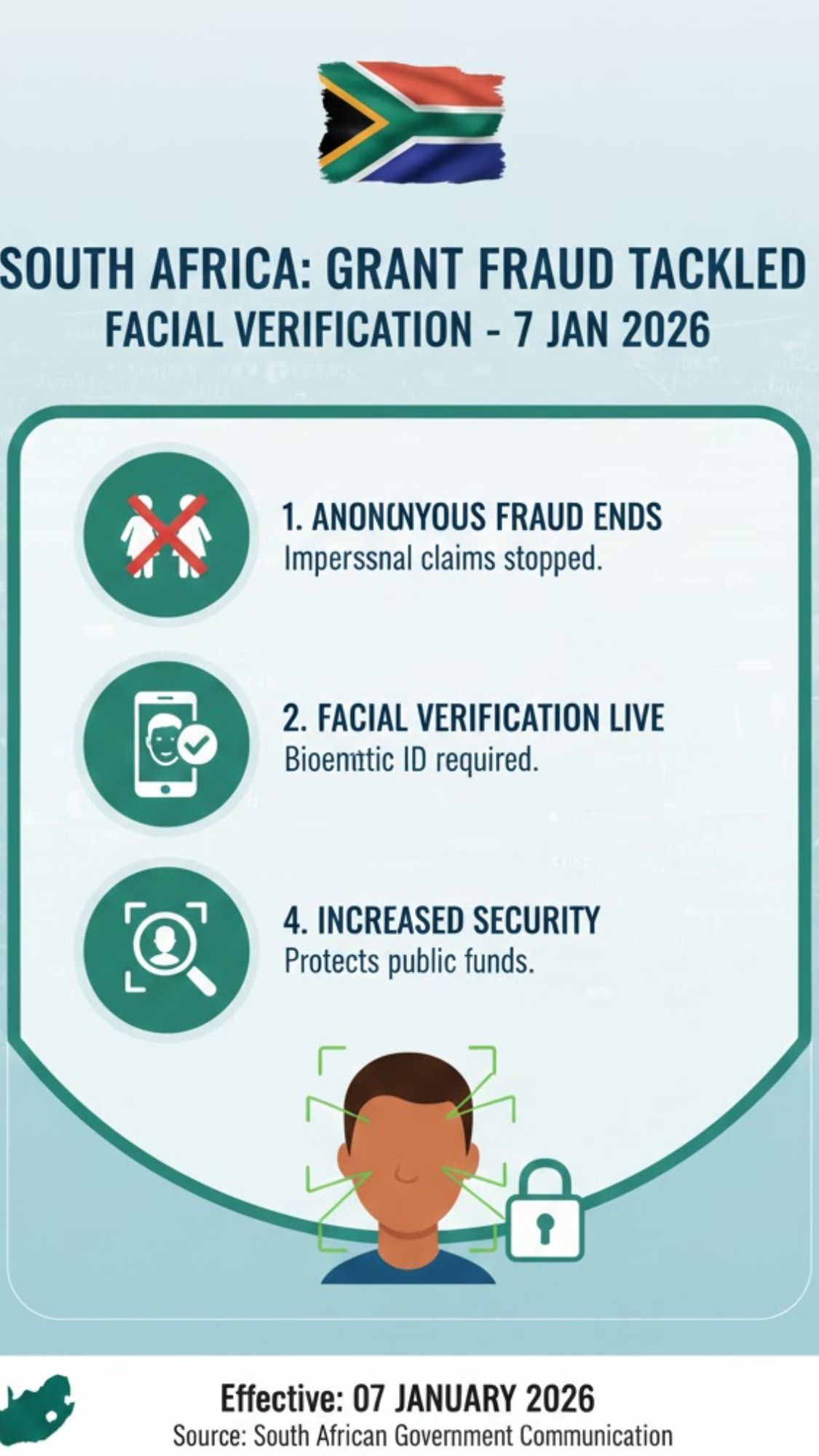
From January 2026, South Africa is taking a major step to protect its social support system by introducing facial verification for grant recipients. This move comes as authorities intensify efforts to curb identity misuse, duplicate claims, and organized fraud. By linking grants to biometric identity checks, the government aims to ensure that assistance reaches only genuine beneficiaries. For millions relying on monthly grants, the change represents both a security upgrade and a shift in how applications and payments are verified, marking a new era of accountability within the country’s welfare framework.
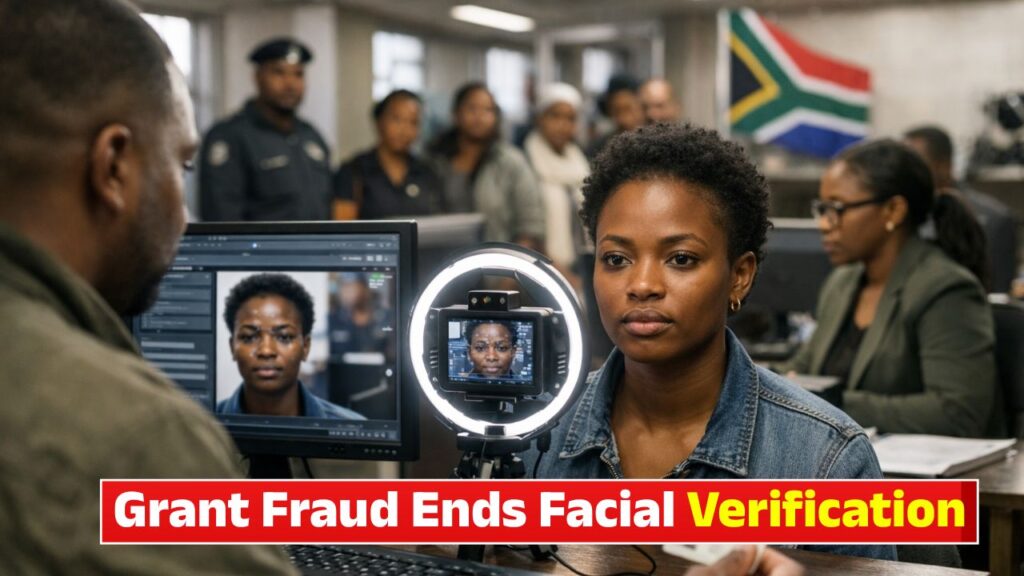
Facial verification rules tighten grant security
The rollout of facial verification introduces a more secure way to confirm identities before grants are approved or paid. Instead of relying solely on documents, officials will now match live facial scans with national records, reducing the risk of impersonation. This system is designed to stop fake identity use, prevent duplicate grant claims, and block unauthorized access attempts. While some applicants may worry about the process, the goal is to create stronger identity proof without adding unnecessary delays. Over time, authorities expect faster resolutions of disputes and fewer payment interruptions caused by suspected fraud.
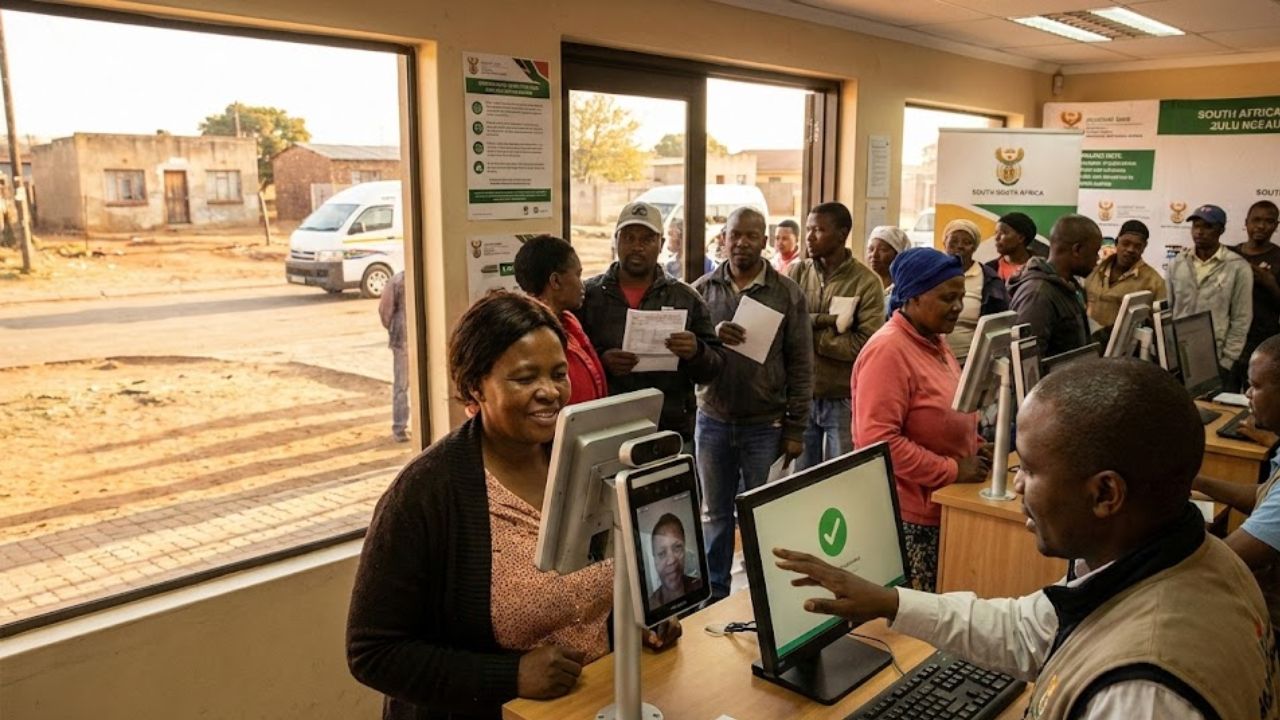
How biometric checks affect grant applicants
For most genuine beneficiaries, the new biometric checks should be straightforward. Applicants will be guided through a simple facial scan at designated points or via approved digital channels. This approach helps ensure fair grant distribution and supports accurate beneficiary records across systems. Officials say the change will reduce long-term issues such as blocked accounts or mistaken suspensions. Importantly, safeguards are being put in place to protect personal data and maintain secure data handling. The emphasis is on balancing convenience with fraud prevention measures that strengthen trust in the system.

Grant fraud crackdown under new verification system
The introduction of facial verification forms part of a broader crackdown on grant fraud in South Africa. Authorities have identified losses caused by syndicates exploiting loopholes and outdated checks. With biometric confirmation, it becomes harder to manipulate records or claim on behalf of others. This supports system integrity goals and promotes public fund protection. Over time, savings from reduced fraud can be redirected to improve services or adjust benefits. The government believes this step will encourage greater transparency levels while restoring confidence among taxpayers and beneficiaries alike.
What this change means going forward
Facial verification represents more than a technical upgrade; it signals a shift toward modern, accountable welfare management. By adopting biometric tools, South Africa aligns with global trends in social protection systems. The success of this move will depend on clear communication, accessible verification points, and responsive support for those who face difficulties. If implemented carefully, it can deliver long term savings, enable reliable payment systems, and support trust based delivery of grants. Ultimately, the reform aims to protect both beneficiaries and public resources in a sustainable way.
| Aspect | Details |
|---|---|
| Start Date | 25 January 2026 |
| Verification Method | Live facial biometric check |
| Who Is Affected | All active and new grant applicants |
| Main Purpose | Reduce fraud and identity misuse |
| Expected Outcome | More secure and accurate payments |
Frequently Asked Questions (FAQs)
1. When does facial verification start?
The new facial verification system begins on 25 January 2026.

2. Who must complete facial verification?
All grant applicants and existing beneficiaries will be required to verify their identity.
3. Will this delay grant payments?
Officials say most payments should continue normally if verification is completed promptly.
4. Is personal data protected?
Yes, biometric data will be stored and used under strict security and privacy rules.