
From 25 January 2026, South Africa enters a new phase as fuel subsidy relief officially comes to an end, triggering noticeable increases in everyday transport costs. For months, temporary fuel support helped cushion households against global oil price volatility, but its removal now shifts the pressure back onto consumers. Commuters, small businesses, and logistics operators are already bracing for higher expenses at the pump and beyond. This change affects not only private motorists but also public transport fares and goods prices, making fuel costs a central topic in national economic conversations.
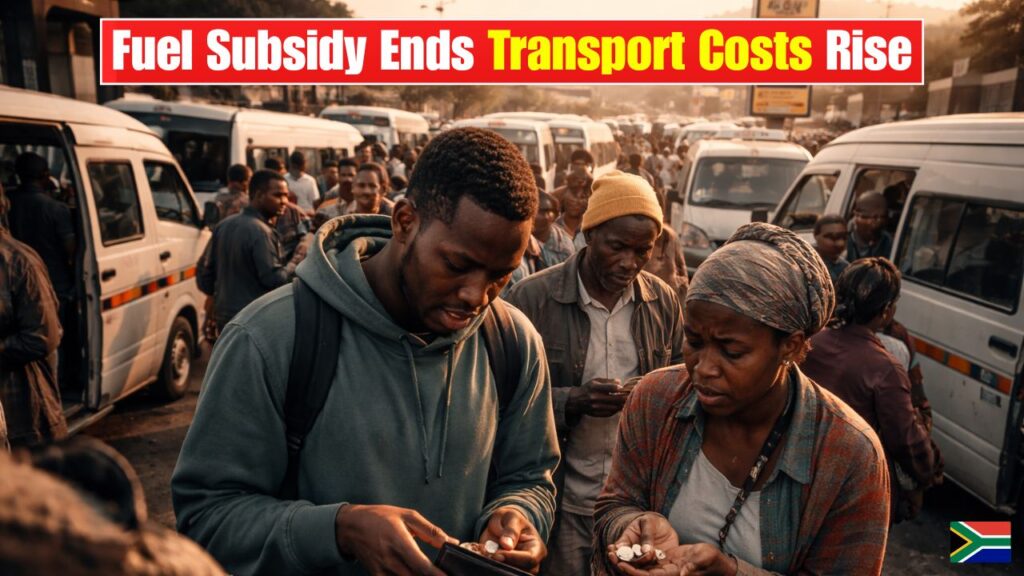
Fuel subsidy removal and rising transport costs
The end of fuel subsidy relief means South Africans will directly feel higher fuel prices reflected in transport costs. Taxi fares, bus tickets, and delivery charges are expected to adjust as operators respond to increased operating expenses. For many households, daily commuting costs will take up a larger share of monthly income, especially in urban areas. Small traders relying on transport may face tight profit margins, while consumers could notice price increases ripple through food and retail goods. Although the change aims to stabilise public finances, it brings short-term cost pressure that families must manage carefully.
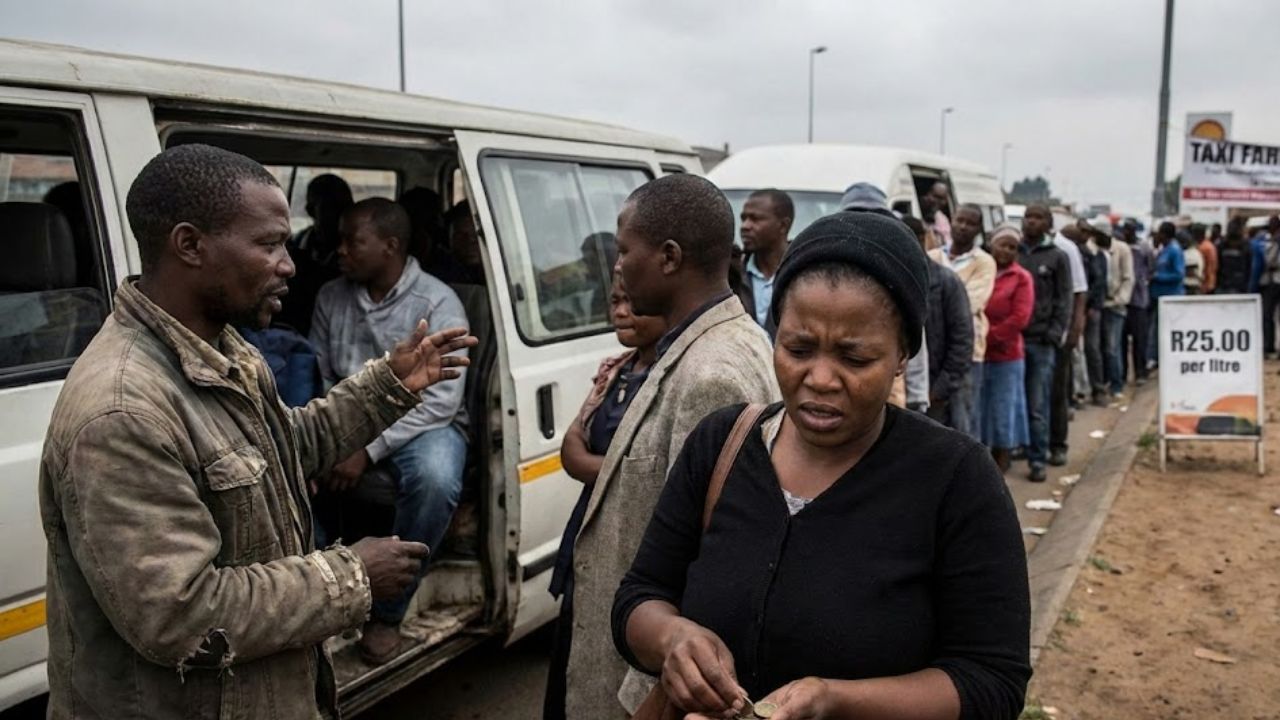
Impact of higher fuel prices on South Africans
As fuel prices rise, the broader economic impact becomes more visible across South Africa. Public transport operators often pass on costs quickly, leading to fare adjustment cycles that affect millions of commuters. Rural communities may feel access challenges grow as longer travel distances become more expensive. Businesses dependent on logistics could experience supply chain strain, influencing how quickly goods reach markets. While some consumers may reduce travel to cope, others have limited alternatives, highlighting uneven financial impact across income groups.

Preparing for transport cost changes in 2026
With fuel subsidy relief ending, planning becomes essential for households and businesses alike. Many South Africans are reassessing travel habits, considering fuel-saving practices or shared transport options. Employers may explore flexible work arrangements to reduce commuting burdens, while operators focus on operational efficiency gains. Government officials argue the shift supports long-term budget balance, though the immediate adjustment period may be challenging. For consumers, understanding transport options and budgeting ahead can help soften the effects of rising mobility expenses in 2026.
Summary and economic outlook
The removal of fuel subsidy relief marks a significant turning point for South Africa’s transport landscape. While it supports fiscal sustainability, it also introduces household cost realignment that affects daily life. Transport-linked inflation may influence spending patterns, pushing families to prioritise essentials. Over time, policymakers hope market stability and efficiency gains will offset initial discomfort. In the meantime, awareness and planning remain key, as consumer adaptation strategies will determine how smoothly households and businesses navigate this transition.
| Area Affected | Before 25 Jan 2026 | After 25 Jan 2026 |
|---|---|---|
| Fuel Pricing | Subsidy-supported rates | Market-linked rates |
| Public Transport Fares | Relatively stable | Gradual increases |
| Household Travel Costs | Partially cushioned | Higher monthly spend |
| Business Logistics | Lower operating costs | Increased delivery expenses |
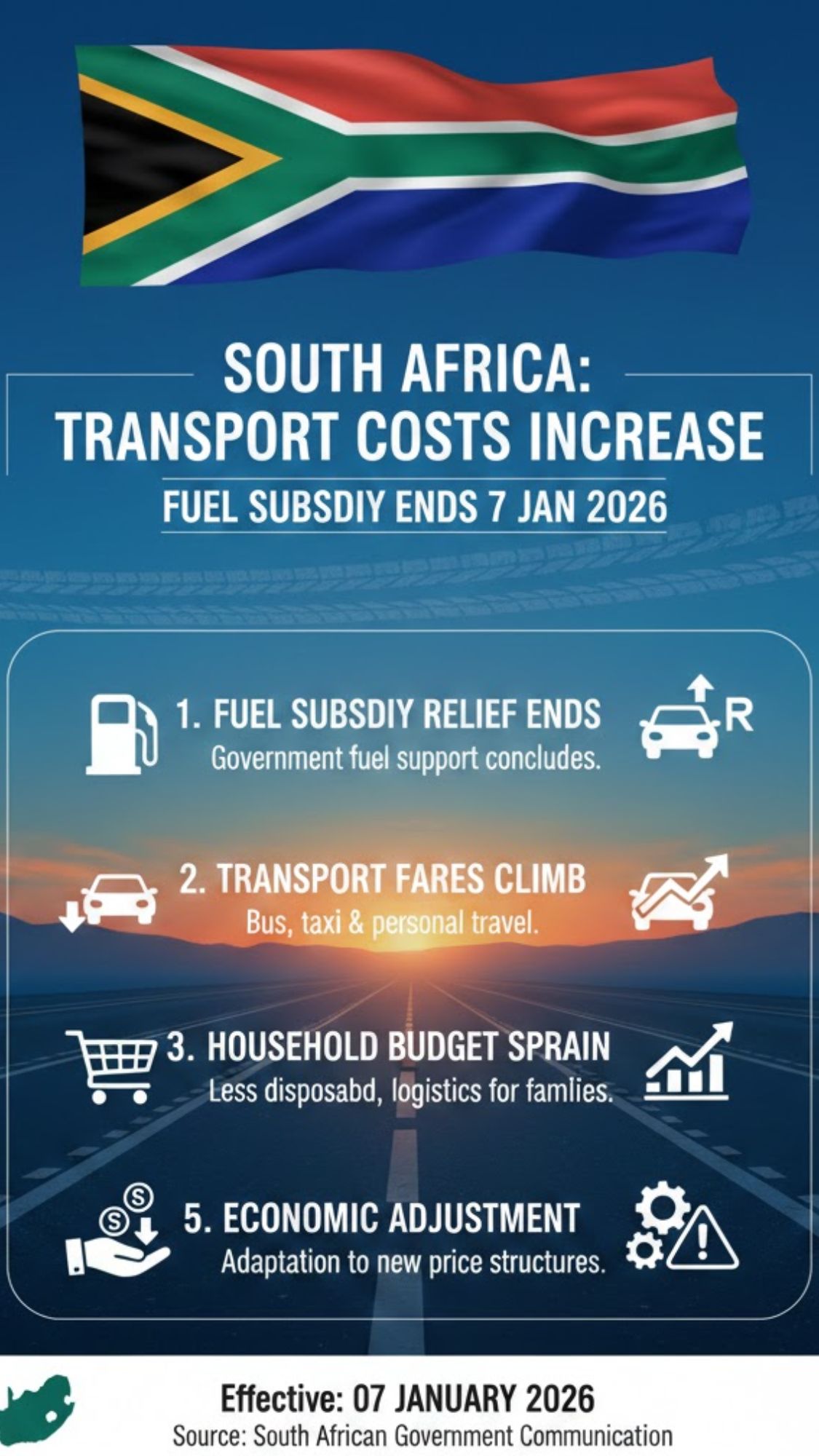
Frequently Asked Questions (FAQs)
1. When does fuel subsidy relief end?
The fuel subsidy relief ends on 25 January 2026.

2. Which country is affected by this change?
This change directly affects South Africa.
3. Will public transport fares increase immediately?
Some fare increases may happen gradually as operators adjust costs.
4. Can households reduce the impact of higher transport costs?
Yes, budgeting, shared travel, and fuel-saving habits can help manage costs.